Image


On this page:
SCDC project goals
Publications
SCD Minnesota Warrior Stories
SCDC data collection
Diagnosis and treatment
Partners
Newsletter Archive
Minnesota is one of 16 states studying Sickle Cell Disease (SCD) as part of the national CDC Sickle Cell Data Collection (SCDC) Program.
MDH and partners are working together to learn more about the experiences of those living with SCD in Minnesota. The primary goal of the SCDC Program is to improve the health, life expectancy, and overall quality of life for those living with SCD. The information we learn can help us answer some important questions:
This study involved virtual interviews with Community Based Organizations (CBOs) and SCDC teams across 11 states to learn about their experiences working together. Key themes such as trust, communication, expectations, and mutual benefits emerged from these interviews. These findings provide tips for building stronger partnerships and boosting the impact of SCDC program efforts.
CDC’s Sickle Cell Data Collection program builds bridges between community-based organizations and scientists to improve the lives of people with sickle cell disease.
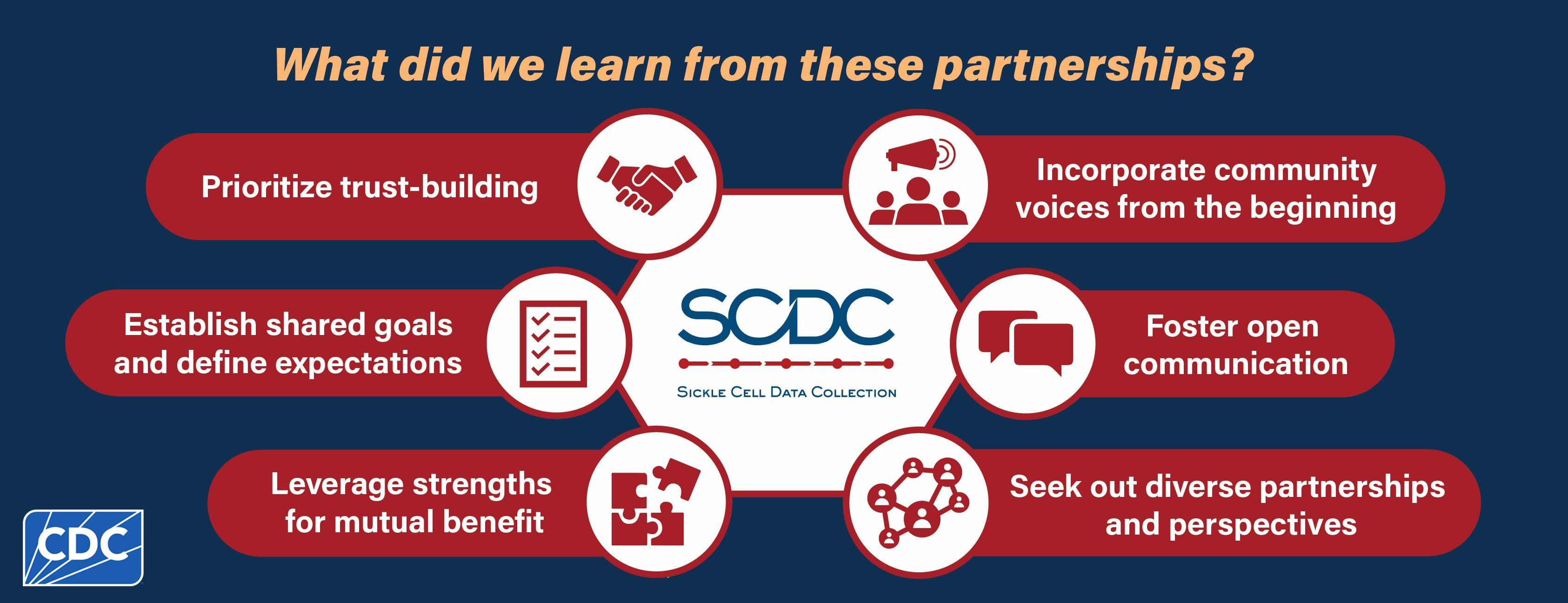
Main Findings
La'Taijah Powell: A Story of Immense Strength, Power and Purpose
A little over a year ago, La'Taijah experienced a life-threatening sickle cell crisis that resulted in a coma, multiple limb amputations, and a recovery journey that she refuses to let define her.

Virnetra Brown: Reclaiming Possibility Through Gene Therapy
Nineteen-year-old sickle cell warrior, Virnetra Brown, chose to pursue gene therapy for sickle cell disease. Now, she has a new outlook on life.

B. Wilson: A Story of Advocacy, Identity, and Sickle Cell Disease
Through advocacy, art, and community-building, B., a Queer Black non-binary person living with SCD, continues working toward a future where people with SCD are not defined by their diagnosis.

Marvin Banks: A Story of Living Beyond Limits
Marvin Banks’ journey with SCD provides a powerful testament to resilience and hope for a future where sickle cell disease is better understood and managed.
The Sickle Cell Data Collection Program gathers information from existing data sets including: Newborn screening data, hospital discharge data, Medicaid claims, emergency department data, vital records, and clinic data. 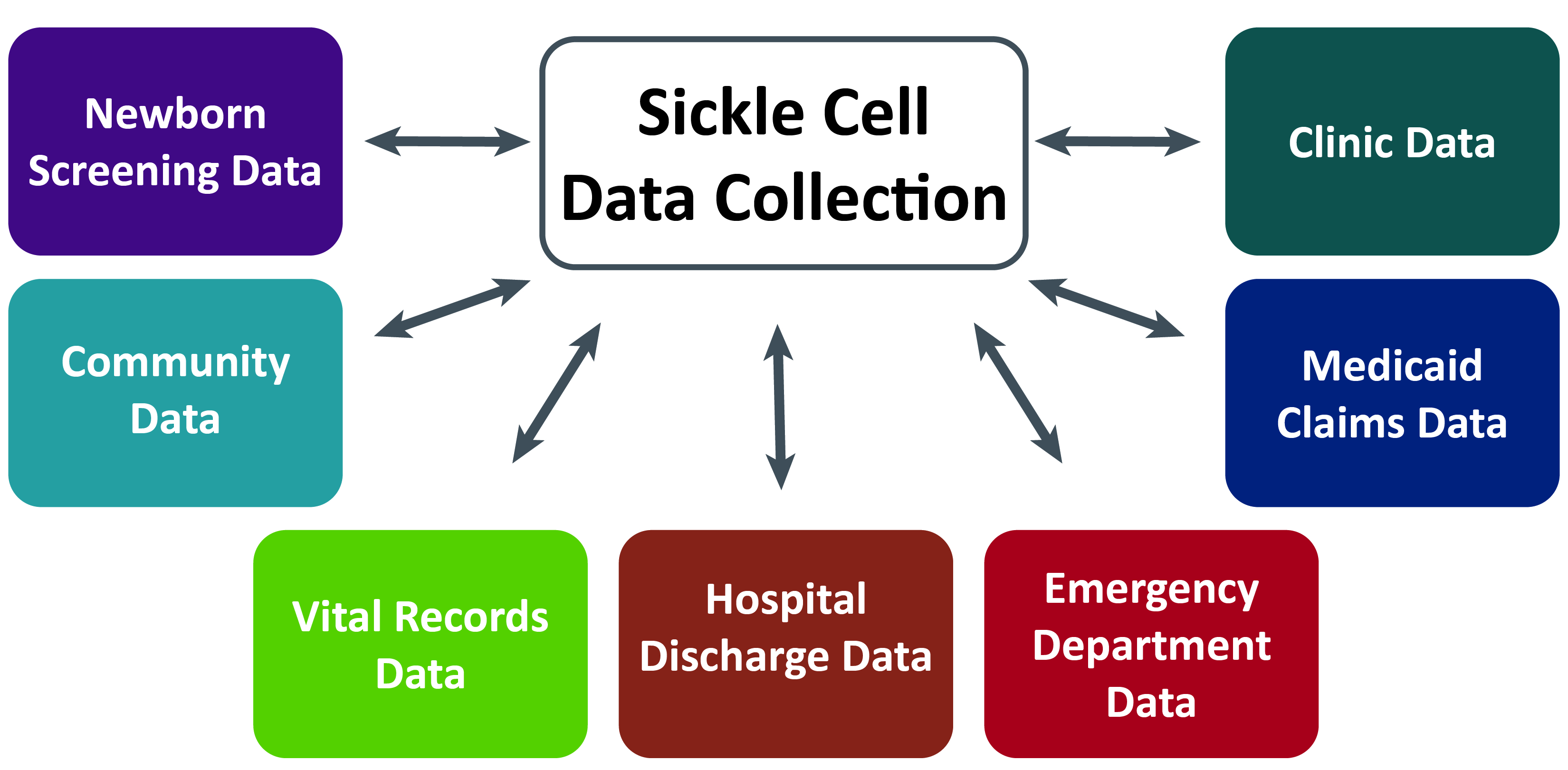
The data collected by MDH and partners is Protected Health Information (PHI). This data is only reported in aggregate, meaning numbers are combined and summarized in groups. There is no personal information included, such as names or birthdates.
We will NEVER share or sell personal or identifying information.
We are working to learn more about SCD in Minnesota. We will share more data as we have it available: Sickle Cell Disease Data and Reports.
The SCDC Newsletter provides updates about the MDH SCDC program, upcoming community activities, presentations, and more.