
Environmental Health Division
Highlights
Environmental Health Division
This information is currently newsworthy, seasonally pertinent, or is showcased to promote awareness..
Sign up for news & alerts below when information is added or updated to this website.
From Billboards to Storefronts
Getting the Word Out About Free Well Testing
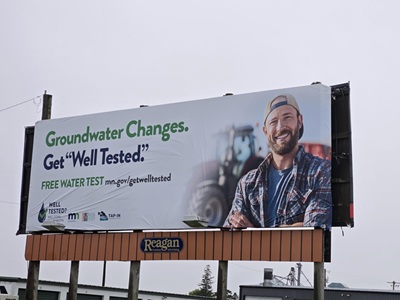
In late 2023, the Environmental Protection Agency directed three Minnesota state agencies to take action on nitrate pollution affecting drinking water in eight counties in southeast Minnesota. With support from the Clean Water Fund, Minnesota Department of Health’s Water Policy Center and local partners have been working to encourage residents to take advantage of free private well testing in these communities.
To help spread the word, new billboards and place-based ads are now up across the region. MDH has also launched the “Well Tested? Well Done, Southeast Minnesota” campaign, which includes direct mail, flyers, signage at local businesses, media outreach, and soon radio messages. A targeted social media campaign on Google and Meta platforms ran from February through May 2026.
This outreach is just the beginning—MDH and partners will continue this work to help protect safe drinking water for families in southeast Minnesota.
Celebrating Source Water Protection Week
September 27 - October 3, 2026
People in Minnesota get their drinking water from groundwater, lakes, and rivers. To keep our drinking water clean, we need to protect the rivers, lakes, and wells that supply it. When these water sources stay free of pollution, it becomes easier and cheaper to keep our tap water safe. Learn more about Source Water Protection in Minnesota.
Children’s Environmental Health Day - October 8th!
Promoting awareness of children's environmental health is essential, particularly regarding their access to clean air, safe drinking water, nutritious food, and products free from harmful toxins. Information to help parents, caregivers, and communities keep kids healthy can be found at Resources for Children's Environmental Health.
PFAS Awareness Week
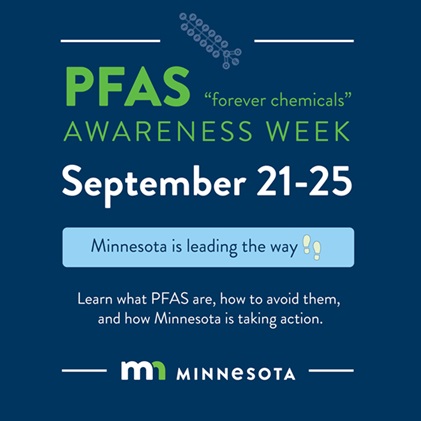
Minnesota is recognizing Sept. 21–25 as PFAS Awareness Week, following Michigan's lead after it proclaimed the same dates earlier this year. Other states have similarly worked to raise PFAS awareness on their own timelines. Throughout the week, Minnesota state agencies and partners will share information about PFAS, why they matter, and how Minnesota is working to reduce PFAS pollution and protect public health. Our goal is to increase awareness, encourage prevention, and connect Minnesotans with trusted PFAS information and resources. MDH will share daily posts throughout PFAS Awareness Week on Facebook, Instagram, LinkedIn, and X. Follow along and share our posts to help spread the word about PFAS and PFAS Awareness Week.
EH Food Inspectors at MN State Fair
Enjoying your favorite foods at the State Fair? MDH Environmental Health Food Inspectors ensure that your favorite foods are safe by inspecting over 200 food vendors at the Great Minnesota Get-Together. It's how we help Minnesotans stay safe while having fun at the state fair!
Drinking Water and Groundwater at Eco Experience
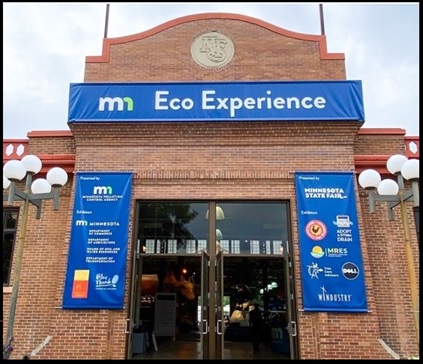
The MDH Environmental Health Division is at the Minnesota State Fair Eco Experience this year August 27 – September 7, 2026. Visit the Eco Experience building to learn about where your drinking water comes from – whether you are on public drinking water or private wells your water may come from underground or from lakes or rivers. Pump water from an underground aquifer and see what happens as water moves from below ground through a public water system!
soilSHOP builds partnerships with local communities
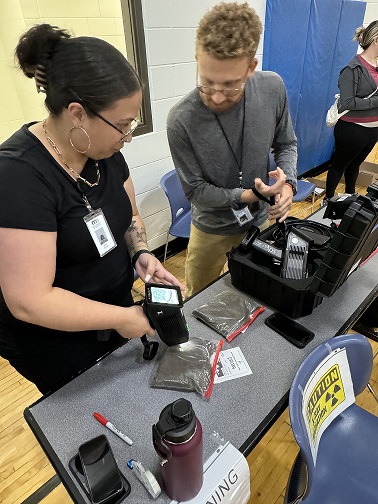
soilSHOP events are designed to raise awareness about lead in soil, provide health education, and connect people to resources that help reduce exposure. Community members bring soil samples from their yards, gardens, or play areas to be screened for lead on the spot. Staff and partners, including health educators and environmental scientists, are on site to guide participants through the process. MDH staff support our local public health partners at the event screening soil samples for lead with an X-ray fluorescence device, and health educators then explain the results to them in clear, plain language. soilSHOP events emphasize partnership and community engagement. Working with local partners is integral to the events’ success, not only to strengthen relationships with local public health, but also to accomplish successful outreach that drives participation from the local community.
Licensing System
Minnesota Department of Health Licensing System is available for Certified Food Protection Manager (CFPM), Registered Environmental Health Specialists/Registered Sanitarians (REHS/RS), Lead, Asbestos and Wells and Boring.
EH topics
The Environmental Health Division (EH) works on multiple topics to support the health of all Minnesotans. You can search these topics on the Topic Index webpage.
Minnesota Office of Accessibility
State of Minnesota’s free e-Learning program on how to create accessible documents.