
Health Equity Division Newsletter - August 2026
In this newsletter:
Greetings from the Health Equity Strategy and Innovation Division
Message from the Director
CONNECT: A summer of connection through the Health Equity Networks
STRENGTHEN: New report provides foundation for roadmap to advance health equity
AMPLIFY: Nothing about us, without us: The next chapter of Minnesota's Olmstead plan
Greetings from the Health Equity Strategy and Innovation Division
As summer comes to an end, we are happy to share new updates with you about some of the work happening to advance health equity both within MDH and across the great state of Minnesota.
We first want to give a special congratulations to one of our Eliminating Health Disparities Initiative (EHDI) grantees, Family Tree Clinic, for being named Twin Cities Pride’s 2026 Organization of the Year! The award honors the clinic’s decades-long commitment to providing compassionate, affirming sexual health care and education for LGBTQIA+ communities. As was shared during the Twin Cities Pride award ceremony, Family Tree Clinic doesn’t just serve the community, they help sustain it. They work every day to help break down barriers like poverty, discrimination, and lack of access by providing confidential care tailored to each patient’s unique needs. Congrats, Family Tree Clinic, and thank you for the work you do!
Looking ahead, the division will be busy releasing two grant opportunities in the coming months aimed at advancing health equity in our communities. Both the Community Solutions for Healthy Child Development and Eliminating Health Disparities Initiative (EHDI) grant programs are slated to begin accepting applications in the late fall for grants beginning in July 2027.
This edition of our newsletter features a recap on the summer series with the Health Equity Networks, the agency’s role in the statewide Olmstead plan, and next steps for the Advancing Health Equity roadmap.
[Interested in being a guest writer for a future newsletter? Email your idea to health.equity@state.mn.us and we will be in touch!]
Message from the director
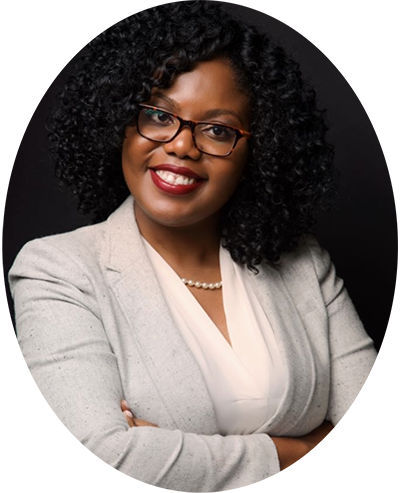 This fall will mark an important next phase in our health equity work. Following the release of the Advancing Health Equity 10-year anniversary report this summer, we are turning what we learned through that reflection toward the development of an Advancing Health Equity Roadmap. The roadmap is an opportunity to build on the progress of the past decade, be clear about where greater progress is still needed, and establish a shared direction for advancing health equity across Minnesota’s public health system.
That work is also taking shape during a time of transition. Elections this fall will bring changes in leadership across Minnesota and questions about what a new state administration may mean for public health priorities and our work. Transition brings a level of uncertainty, but it does not change our responsibility or our commitment to advancing health equity. Moments like this reinforce the importance of being clear about what we are working toward, what we have learned, and the relationships and infrastructure needed to sustain progress over time.
Thankfully, there is progress to build on. Minnesota continues to take important steps toward reducing inequities, including through goals in the Olmstead Plan that advance opportunities and outcomes for people with disabilities. Across the state, our Health Equity Networks continue to bring public health, community organizations, and other partners together to strengthen relationships, share resources and knowledge, and respond to priorities identified within communities. These efforts remind us that advancing health equity is not one initiative or one plan. It is work happening across systems, organizations, and communities every day.
This new roadmap will give us an opportunity to connect these efforts and create a clearer path forward. As we develop it, we will continue to engage partners across MDH, our councils and external partners, and communities to help shape what comes next. The environment around us may change, but our commitment remains: to learn from where we have been, build on what is working, and continue working toward a Minnesota where everyone has a fair and just opportunity to be healthy.
To learn more about this report and our next steps as an agency, check out the story in our STRENGTHEN section below.
In solidarity,
Odichinma (Odi) Akosionu-DeSouza (she/her)
Division Director
CONNECT
We are a network hub – leading, connecting and strengthening networks of health equity leaders and partners across MDH and Minnesota communities.
A summer of connection through the Health Equity Networks
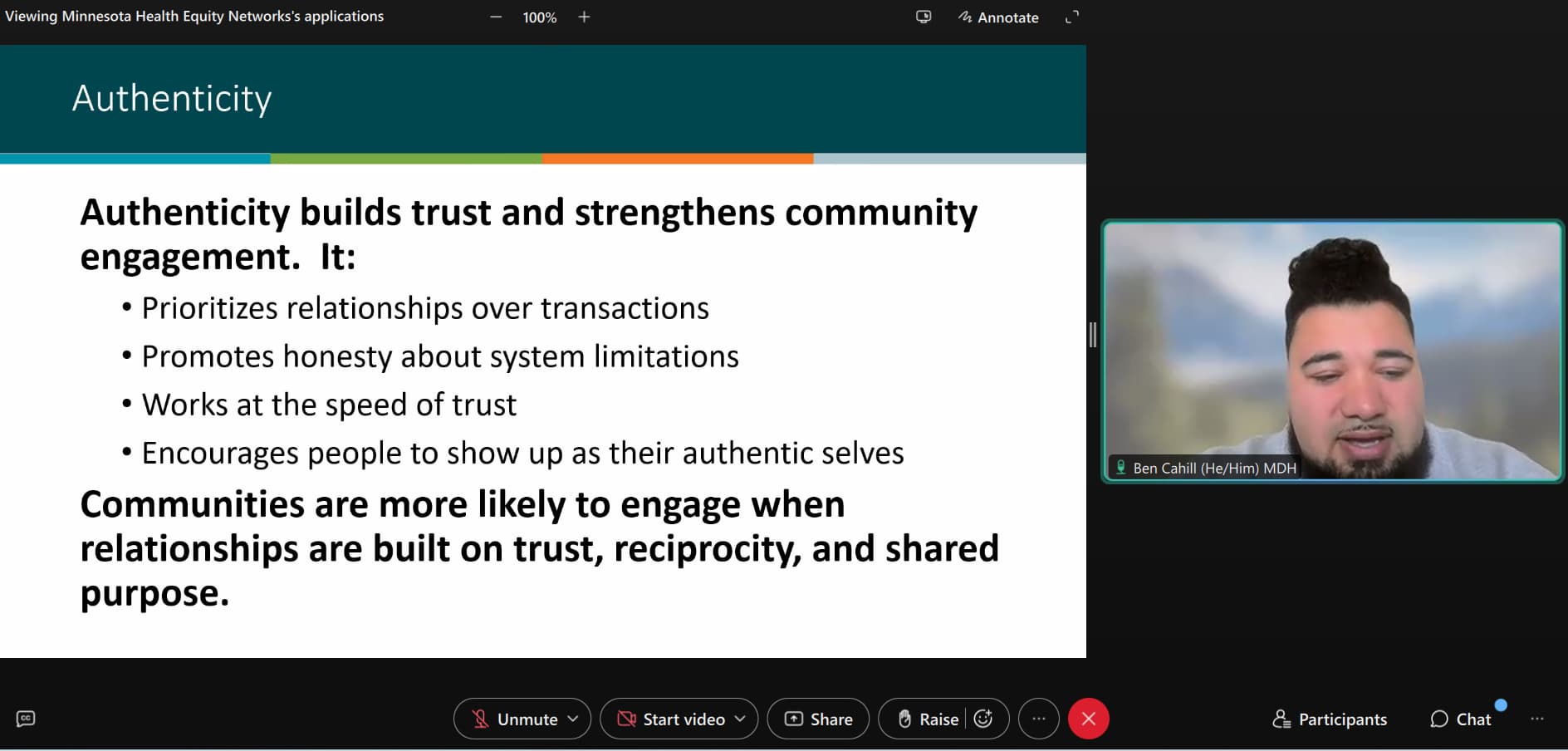
This summer, the Community Engagement team brought Minnesotans together through a series of regional gatherings with the Health Equity Networks. Community members, Tribal and local public health professionals, and partner organizations connected to exchange ideas and collaborate on advancing health equity across the state.
From May through August, 255 participants across Minnesota took part in programs ranging from statewide gatherings focused on community engagement, regional events highlighting health equity initiatives, statewide health equity training, and restorative sessions to manage stress and anxiety. Presenters included representatives from Environmental Justice, Ecolibrium3, Everyday Miracles, and Fond du Lac Elder Services, with conversations spanning Tribal elder services, prenatal and postpartum care, and other community-driven health initiatives.
"When coordinating a gathering, I'm intentionally thinking about what is bubbling up in my region," said Health Equity Networks Coordinator Ben Cahill. "I'm listening for community needs, identifying organizations doing important work, and considering who we can bring in to share their experiences with the networks we've built."
Coordinators also look beyond their own regions to identify innovative programs and connect participants with initiatives taking place across the state. Cahill pointed to recent conversations with the Minnesota Office of Cannabis about improving the agency’s grantmaking process as one example of the types of emerging topics that may be incorporated into future gatherings.
“Gatherings are really about building the relationships and strengthening capacity. Continuing this work is essential to building a healthier Minnesota for all people, regardless of where they live or who they are," said Lyndsey Reese, a Health Equity Networks coordinator. “Funding might not always be there, but having those relationships and partnerships throughout the state or regionally is beneficial. People who are connected to each other can understand what services are out there, brainstorm solutions together, and raise up issues collectively.”
By centering community voices and creating space for cross-sector collaboration, the gatherings help connect people, elevate local expertise, and bring attention to issues that might otherwise go unaddressed. The gatherings also create opportunities for multidisciplinary and multisector collaboration.
“One of the most exciting parts of working with the Health Equity Networks is bringing together diverse groups to connect and build relationships,” Cahill said.
These events also provide MDH staff with opportunities to share information, answer questions, and engage with diverse groups across the state. “It is a great way for MDH programs to speak with participants about their work, provide transparency, and answer questions,” said Colleen McKinney, a former Health Equity Networks coordinator. “Connections can happen in real time during our round-robin discussions, or later through follow-up emails or calls.” MDH staff have always been welcome to attend the gatherings, but as the team plans ahead, there’s a renewed push to involve even more MDH programs.
Whether participants joined to learn, swap resources, or spark new partnerships, one thing was clear: advancing health equity is built on strong, trusting relationships. By bringing together community members, public health professionals, Tribal partners, and MDH staff, the Health Equity Networks are building stronger, more connected communities across the state.
STRENGTHEN
We provide leadership in advancing health equity and cultivate health equity leaders within MDH and across Minnesota communities.
New report provides foundation for roadmap to advance health equity
Two months ago, we released a pivotal report assessing a decade of progress toward advancing health equity at the Minnesota Department of Health (MDH). The report is the first update to the landmark Advancing Health Equity in Minnesota: Report to the Legislature, published in 2014.
The 2014 report assessed Minnesota’s health disparities and recommended new practices, data strategies, and other steps to promote health equity for all Minnesotans. It called for addressing the root causes of inequities and changing systems and policies that negatively affect the health of large numbers of people, including systemic racism.
Ten years later, MDH undertook an effort to understand the progress made toward the report’s seven recommendations and identify what is needed to continue this work. The Health Equity Bureau partnered with community representatives from the Health Equity Advisory and Leadership Council and convened a committee of more than 30 staff and leaders from across the agency. The committee gathered feedback from MDH staff and community members and collected stories of health equity work from across the agency.
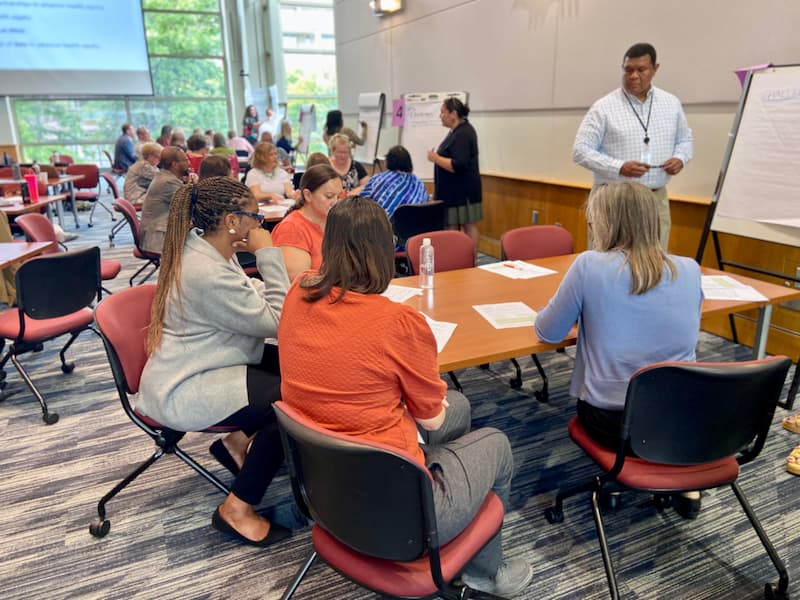
MDH leaders also participated in a retreat last fall to reflect on progress, identify gaps and challenges, and consider what is needed to advance health equity in today’s environment.
The resulting report documents a decade of progress, shares insights from community members and staff, and identifies opportunities for continued action. But the report is not intended to be the end of the conversation. It provides a foundation for the next phase of this work: developing a roadmap for implementing the recommendations and strengthening accountability for progress.
“We have an opportunity to use what we learned through this process to chart a more intentional path forward,” said Odi Akosionu-DeSouza, director of the Health Equity Strategy and Innovation Division. “The next step is to work together with our community partners and across MDH to turn the report’s recommendations into concrete, sustainable actions and to develop meaningful ways to measure our progress.”
The roadmap currently being developed will build on the report’s recommendations and align with work already underway across MDH, including the agency’s strategic plan, the Statewide Health Improvement Framework, and other existing plans and priorities. The goal is to create a clear and coordinated approach for putting the recommendations into practice, identifying areas where additional action is needed, and establishing measures to track progress over time.
This next phase will also include opportunities for community partners and staff to help shape the roadmap. Their perspectives will be essential to ensuring that implementation reflects what communities need and builds on the strengths and work already happening across the agency.
The 2014 report outlined seven key recommendations for advancing health equity in Minnesota, including applying a health-in-all-policies approach, redesigning MDH grantmaking, and making health equity an integral part of efforts across the agency. The 10-year update provides an important opportunity to revisit those recommendations and determine how MDH can move from reflection to sustained action.
The work of advancing health equity continues. The 10-year update gives us a clearer picture of where we have been, what we have learned, and where we need to go next. The roadmap will help guide that next chapter and support continued action, learning, and accountability across MDH.
Learn more and read both reports on the Health Equity Reports and Publications page.
AMPLIFY
We amplify the work of communities most impacted by health inequities and support them to drive their own solutions.
Nothing about us, without us: The next chapter of Minnesota's Olmstead plan
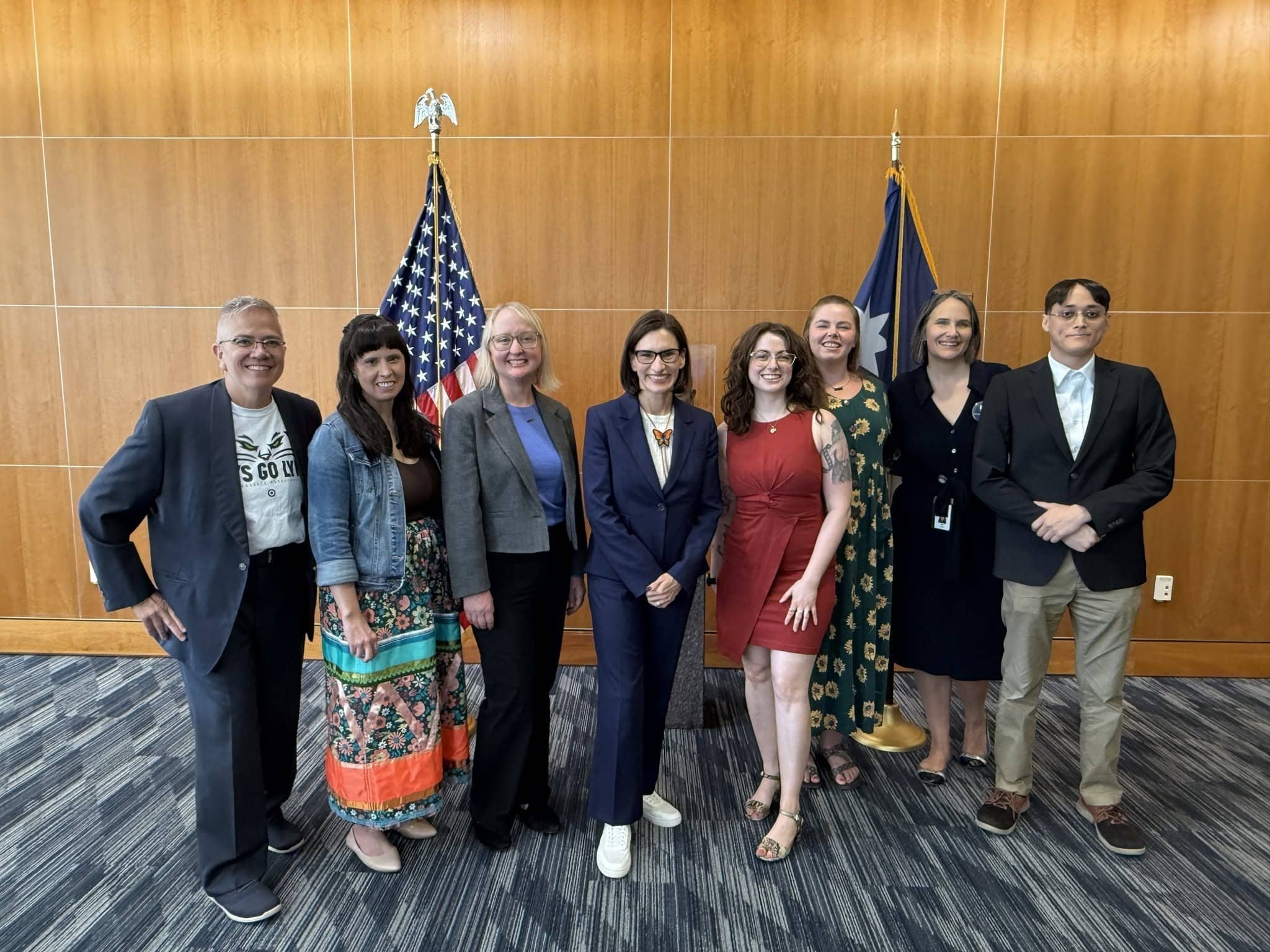
One in four Minnesotans have a disability. As we get older, the likelihood of developing a disability increases to almost 50 percent. Whether you live with a disability now or care about someone who does, these experiences touch us all. For decades, structural barriers have prevented people with disabilities from living their fullest lives. We in the Health Equity Strategy and Innovation (HESI) division at the Minnesota Department of Health recognize this challenge. For years we have supported community members and state agencies in creation of a plan, called the Olmsted Plan, so Minnesotans with disabilities have what they need to thrive.
At the center of this work is the principle "Nothing about us, without us." The plan reflects the visions of disabled people themselves, as documented in the Synthesis of Community Input from spring 2025. The process engaged more than 2,000 people across Minnesota through surveys and over 50 community conversations. Participants shared what they want in their own words:
- "More real choice."
- "More control over their lives."
- "Less red tape."
- "Services that respect all parts of who they are."
- "Leadership that listens and acts."
Inclusion consultants led the effort to bring this feedback together. The report acknowledges the frustration expressed by the community. As it states, progress matters, "but it's not enough until people with disabilities can shape their lives without fighting every step of the way."
Dr. Erica Alley, from HESI’s Policy and Systems Change team, represents both perspectives that this work requires. She is the third generation in her family to be diagnosed with multiple sclerosis. While she has worked as an ASL interpreter for 20 years, her passion shifted toward health equity in 2021 after diagnosis. Participating "as a person with a disability and as a member of this team" gave her a unique perspective on the complexity of the work. Reflecting on the experience, she described it as both deeply meaningful and "so incredibly challenging."
That complexity is intentional. It reflects a key finding since Minnesota's 2015 Olmstead Plan: Support systems for people with disabilities are fragmented and poorly coordinated, forcing individuals to fight too hard for basic services. Dr. Alley noted that the work of the Olmstead Plan overlaps with many other spaces. Consistent communication with her colleagues is important as the team continues to find connections to other health policies. Recognizing this overlap is a first step toward coordination. It is exactly why the plan matters.
The 2026 Minnesota Olmstead Plan is in its final stages. Community members recently reviewed a draft and provided feedback, which is now being incorporated. Through their involvement, HESI has helped create a more inclusive future for people with disabilities in Minnesota—one where those most affected by policy are also members of the team writing it.
You can check out videos about the two women who started it all, read the Olmstead Plan Draft, and find out much more about Updating the Olmstead Plan on the Minnesota Olmstead Implementation Office site.