
Drinking Water Protection
- Drinking Water Protection Home
- About Us
- A-Z Index of Contaminants in Water
- Community Public Water Supply
- Drinking Water Grants and Loans
- Drinking Water Institute
- Drinking Water in Schools and Child Cares
- Drinking Water Revolving Fund
- Laws and Rules
- Noncommunity Public Water Supply
- Source Water Protection
- Water Operator and Certification Training
- Drinking Water Protection Contacts
Related Topics
- Annual Reports
- Drinking Water Risk Communication Toolkit
- Drinking Water Protection External Resources
- Fact Sheets
- Forms
- Invisible Heroes Videos: Minnesota's Drinking Water Providers
- Noncom Notes Newsletter
- Sample Collection Procedures (videos, pictures, written instructions)
- Waterline Newsletter
Related Sites
- 10 States Standards
- Clean Water Fund
- Health Risk Assessment – Guidance Values and Standards for Water
- Minnesota Well Index
- Water and Health
- Wells and Borings
Environmental Health Division
Lead in School Program Releases Grant Impact Report
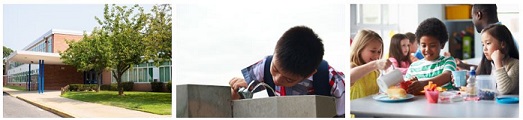
Reducing lead exposure for children is a top public health priority for Minnesota Department of Health (MDH), and Drinking Water in Schools, Child Cares and Head Start Programs is at the forefront to help schools provide safe drinking water for our youngest and most vulnerable residents. Lead exposure can affect children's developing brains and bodies, potentially creating a greater risk for children spending much of their time in schools and child care facilities where older plumbing may be present. Minnesota public schools and child care centers are required to test for lead and take action to reduce it when lead is present at 5ppb or higher.
Special attention is given to schools and facilities serving communities that have known lead plumbing or high lead results in the past, ensuring support goes where it is needed most. MDH may prioritize sampling at facilities to target those most at risk such as, schools and child care programs in underserved and/or low-income communities (e.g., schools with at least 50% of the children receiving free and reduced lunch or Head Start facilities), facilities that primarily care for children 6 years and under, and older facilities that are more likely to contain lead plumbing, built before 1986.
MDH works in collaboration with the Minnesota Department of Education (MDE) and the Minnesota Department of Children Youth and Families (DCYF) to help schools and child care facilities meet lead testing requirements. To help meet that goal, MDH and MDE created a Model Plan in 2017. Schools and childcare centers follow the model plan to test for lead and take action at every level. The model plan is available at Model Plan to Test for Lead in Early Care and Education Settings.
How the program works
In 2019, MDH received a federal Water Infrastructure Improvements for the Nation (WIIN) grant from the Environmental Protection Agency to develop a voluntary lead in drinking water testing program for public schools, charter schools, licensed child care providers, and Head Start programs. This program is designed to provide free sample kits and laboratory analysis for lead in drinking water. MDH also provides assistance with interpreting and communicating results. Schools and child care facilities may request a free sampling kit by completing the Minnesota Lead in Schools and Child Cares Testing Program Application.
Getting the lead out
Once testing is complete, remediation is required if lead is identified at levels of 5ppb or higher. To meet that need the commissioner of health developed a grant program for the purpose of remediating identified sources of lead in drinking water in schools and licensed child care settings. MDH's Lead Remediation Grant program received 13 applications for remediation grants and awarded all 13 applications received for the 2024-2027 funding cycle, a 100% award rate. Funding was awarded based on applications received, and allocation was not based on category or facility type. Total funding allocated is $863,000, and 53.8% was awarded to schools and 46.2% awarded to child care facilities that applied, with a portion of total funds made available each year. As of 2025, 14.5% of those funds were available and have been deployed, with more of the allocated funds available for disbursement each year of the funding cycle.
Additional funding opportunities
Additional funds may also be available for facilities to place filtered water units, known as hydration stations. Properly certified hydration stations remove lead and other contaminants associated with plumbing materials and encourage the use of refillable water bottles. Additionally, MDE administers the Long-Term Facilities Maintenance Revenue program under Minnesota Statutes, section 123B.595. This program may be utilized to reimburse costs associated with lead testing and remediation. More information on funding is located at Funding Opportunities for Schools, Child Care, and Head Start Programs.
Families can find out how much lead, if any, has been detected as well as percentage of samples 5 ppb or higher and total number of samples in the state public and charter schools and licensed childcare centers by using MDH's interactive online map of schools and child cares. Find more information on our website at Results and Metrics for Early Care and Education Settings.
A complete list of feature stories can be found on the Waterline Articles and Feature Stories webpage.
Return to Waterline: Fall 2026.