
Transforming Minnesota's Public Health System
- Home: System Transformation
- About This Work
- Framework of Foundational Responsibilities
- Definitions, Criteria, and Standards for Fulfillment
- Joint Leadership Team
- Minn. Infrastructure Fund and Local Innovation Projects
- Governance Groups and Communities of Practice
- Data Modernization
- Regional Data Models
- Tribal Public Health Capacity and Infrastructure
- FPHR Grant: Funding for Foundational Responsibilities
- Reports, Fact Sheets, Resources
- News & Blog: Public Health System Transformation Update
- Message Toolkit
Related Sites
Contact Info
Amy Westbrook, St. Louis County Public Health: A Consistent Framework Can Help Eliminate Health Disparities
Public Health System Transformation Update Newsletter
December 2025 | View all system transformation newsletters
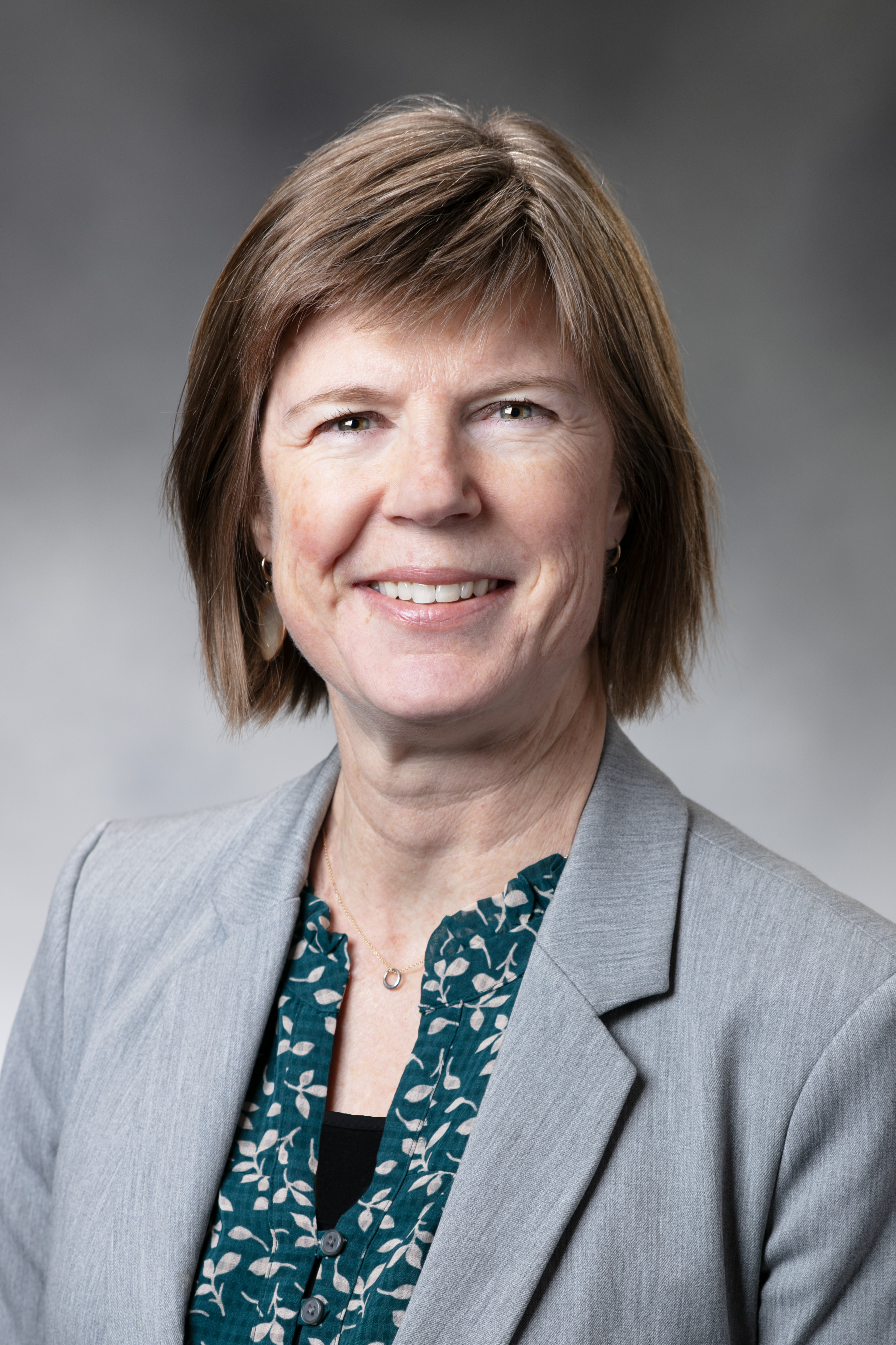
Amy Westbrook of St. Louis County Public Health. Photo credit: Submitted.
The first time I considered public health as a profession, I didn't really even know it was a career path. After I graduated from college, I served as a Peace Corps volunteer in Bolivia and lived in a community where there was little operational infrastructure or governmental support for the public’s health. Sanitation was poor, access to healthy food was not great, and water quality was unreliable. Once a year, military trucks with soldiers carrying guns would come through the town to vaccinate children. I recognized the impact that government could and should have in creating positive opportunities for community members to thrive and be healthy.
I wanted to help create those opportunities, no matter where I lived. Once I returned from my service, I started my master's in public health. I'm still motivated to be part of a solution to improve the systems impacting individual and community health.
Consistent framework, consistent activities, consistent measurement
As a public health professional today, I'm very energized by the new framework for foundational public health responsibilities, because it’s much more explicit than the six areas of public health responsibility currently in Minnesota statute—the framework and definitions provide a sort of "how to guide" for good public health practice.
For instance: When I compare our current statutory responsibility in local public health of "assure an adequate public health infrastructure," it's so broadly written and each local health agency defines it so differently that it’s hard to grow statewide momentum for that infrastructure. Beyond that, we don't share definitions for "adequate" or "public health infrastructure" across the systems influencing public health practice through funding, prioritization, organizational structure, and political decision-making.
In the framework we adopted in 2023, foundational capabilities are well defined, and doing the activities in each capability will lead to an adequate public health infrastructure, along with the ability to measure our work consistently.
Eliminating health disparities is truest measure of success
However, I think the truest way we can measure success in transforming Minnesota's public health system would be to see health disparities eliminated across all population groups and geographies. It's a lofty goal, for sure, but we're taking incremental steps to get there through our current work, like developing community partnerships, serving as our jurisdictions' chief health strategists, and using and sharing population health data.
Amy Westbrook is the Public Health Division Director in St. Louis County, Minnesota. Amy serves on the Joint Leadership Team as a representative of the Local Public Health Association. Her favorite thing to do in Minnesota is autumn hiking or running along some of the amazing vistas on the shore of Lake Superior or the hillsides of Duluth.